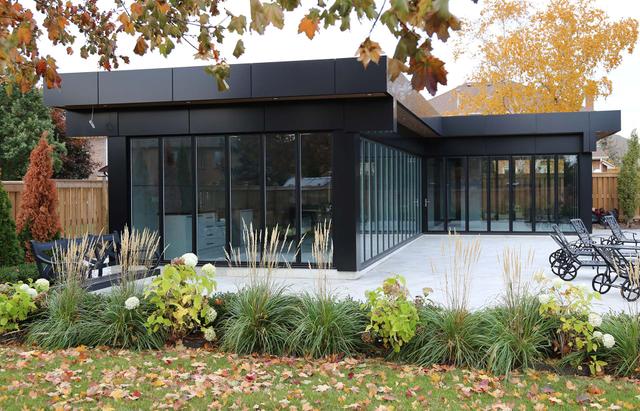
What is Curtain Glazing?
The use of curtain glazing in modern architecture has revolutionized building design and construction. This avant-garde system of creating envelopes effectively balances energy efficiency, practicality, and appearance.
We'll examine the world of curtain glazing in this extensive guide, covering aluminum curtain walls, curtain wall windows, and the finer points that contribute to this system's remarkable efficacy.
A curtain wall system, sometimes referred to as curtain glazing, is an external covering for a building with non-structural outer walls. These walls offer a fresh, modern look for a building while keeping the inside intact against the weather, instead of being supportive of the structure itself.
Typically, the system consists of an aluminum frame that is lightweight along with other materials.
Important Parts of Curtain Glazing Systems
Typically manufactured from aluminum extrusions, sometimes specially designed to encase glass panels.
The primary infill material consists of glass panels that afford transparency and natural light.
Mullions: Vertical components that hold and divide the glass panels.
Transoms: Horizontal components that create divisions within the curtain wall.
Opaque portions that hide the floor edges and other structural components are called spandrel panels.
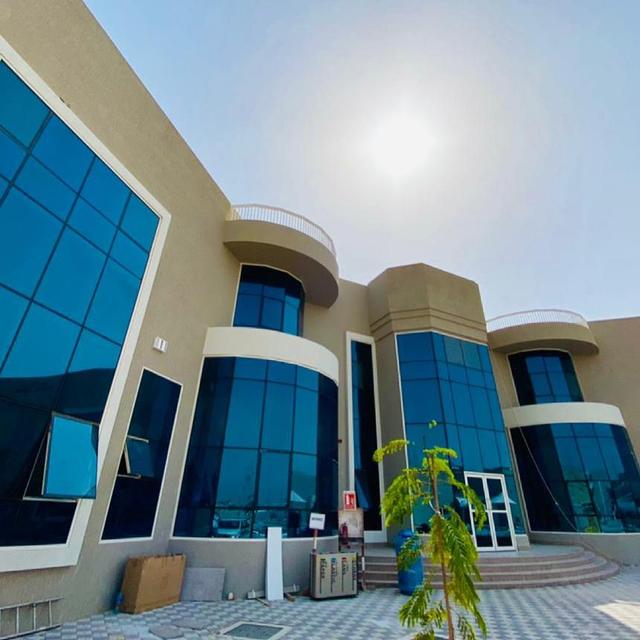
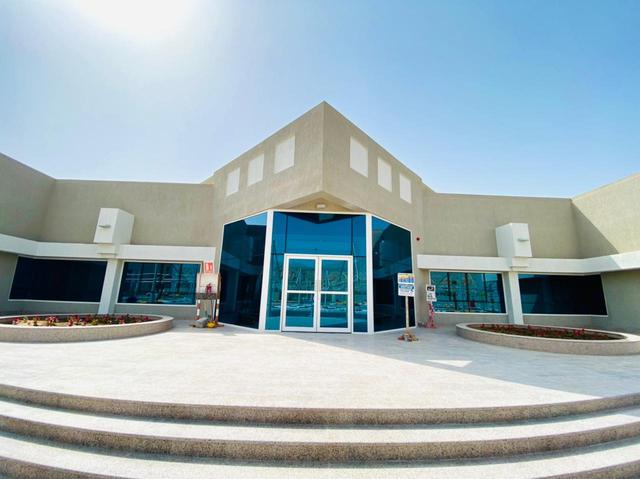
The Development of Windows for Curtain Walls
Since their invention, curtain wall windows have advanced significantly. Contemporary systems are made to span several floors while accounting for a number of factors, including:
Creating movement and swing
The expansion and contraction of heat
Seismic specifications
Diversion of water
Cost-effective heating, cooling, and lighting through
thermal efficiency
Flexibility
Adaptable to different construction specifications and designs.
Thermal Performance
Superior insulation is offered by sophisticated thermal breaks.
The Craft of Glass Curtain Walls
Glass is the main component of curtain glazing systems, providing both practical advantages and visual appeal. The performance and appearance of the building can be greatly impacted by the glass selection.
Curtain Wall Glass Types
Insulating glass units (IGUs) are made up of two 1/4-inch lites with a 1/2-inch airspace and are usually 1 inch thick.
Opaque glass: Used to hide structural components and is called spandrel glass.
Low-E glass: Coated to keep transparency while minimizing heat transmission.
Considerations for Glass Performance
There are a number of considerations when choosing glass for curtain walls.
Thermal insulation: Solar Heat Gain Coefficient (SHGC) and U-value.
Sound Transmission Class (STC): Grade for acoustic performance.
Aesthetics: Options for colors, reflection, and transparency.
Curtain Walls: An Effective and Stylish System
Curtain walls are a complete system that combines multiple elements to produce a high-performance building envelope. They are more than just a facade.
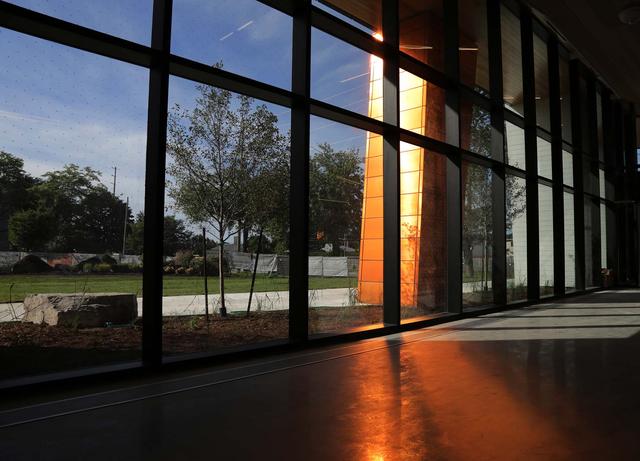
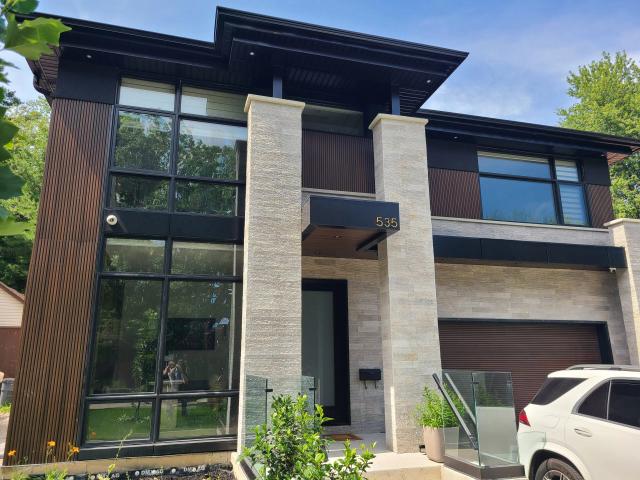
Principal Advantages of Curtain Wall Systems
Improved building appearance: Gives off a sleek, contemporary look.
Energy efficiency: Allows more natural light to penetrate the building, reducing energy costs.
Up to 35% savings on heating and cooling costs due to increased energy efficiency.
Temperature control: Assists in preserving comfortable interior temperatures.
Cost-effectiveness: Lightweight materials save money on installation and structural needs.
Integration of Curtain Walls
Many window types can be seamlessly integrated with contemporary curtain wall systems.
Windows that tilt or turn
Windows with top-hung sashes
Because of this adaptability, architects may design dynamic facades that satisfy both functional and aesthetic needs.
Details of the Curtain Wall: The Backbone
A curtain glazing system's details determine its success. For performance and longevity to be guaranteed, proper design and installation are essential.
Essential Components of Curtain Wall Design
Weatherproofing: Making sure it's airtight and watertight is key.
Expansion joints: To accommodate thermal expansion and building movement.
Drainage systems: Controlling condensation and water intrusion.
Anchorage: Is the process of firmly fastening the curtain wall to the building's framework.
Standards and Performance Testing
To make sure they satisfy industry requirements, curtain wall systems are put through a thorough testing procedure.
At 600 Pa, air permeability was tested to Class C.
Weather resistance: Tested at test pressure of 2000 Pa in accordance with BS 6375.
Security performance: Meets the requirements of PAS 23-1 and PAS 24-1.
Curtain Glazing's Future
We may anticipate more developments in curtain glazing as technology develops:
Integration of smart glass: Energy-harvesting and dynamic tinting.
Better thermal performance: Using cutting-edge materials results in even better insulation ratings.
Sustainable materials: More recycled and low-carbon components are used.
Prefabrication: More assembly done off-site for quicker and more accurate installation.
Are you prepared to use cutting-edge curtain glazing to completely change your building's appearance? Contact our curtain wall experts right away for a free consultation.